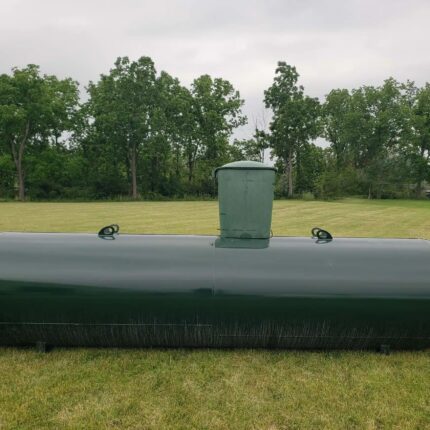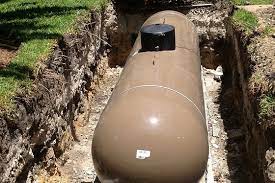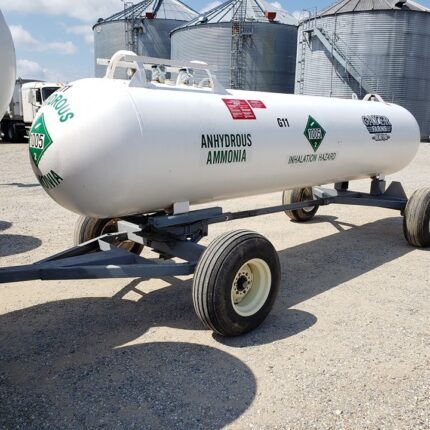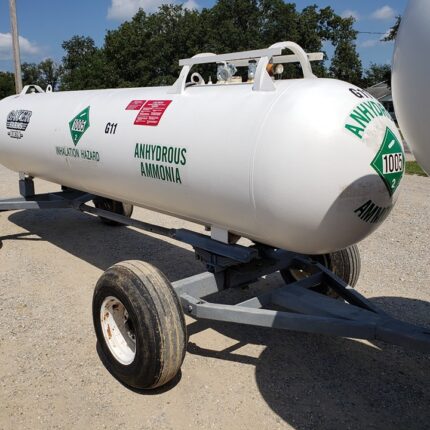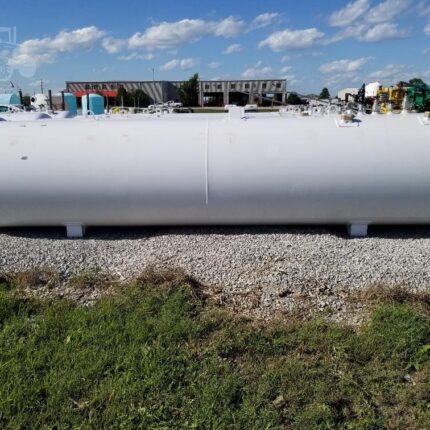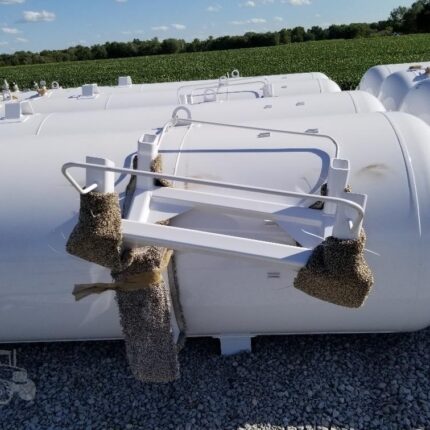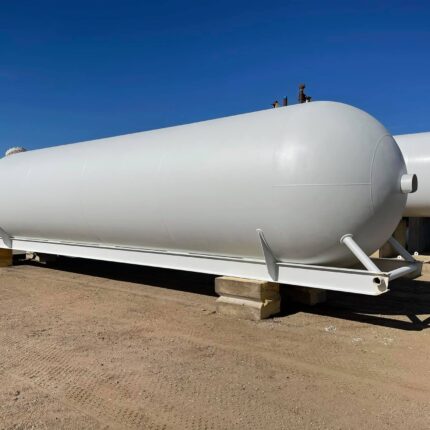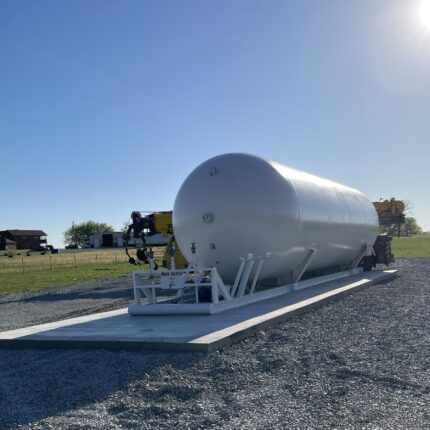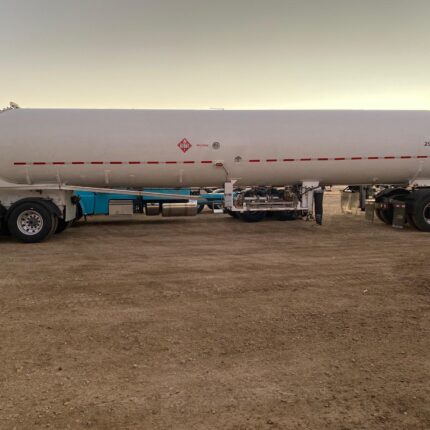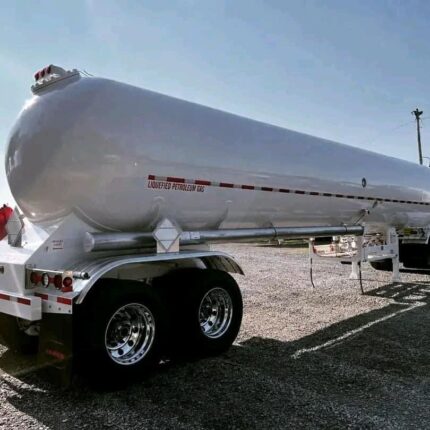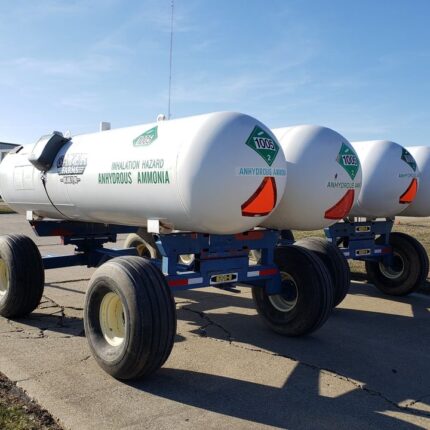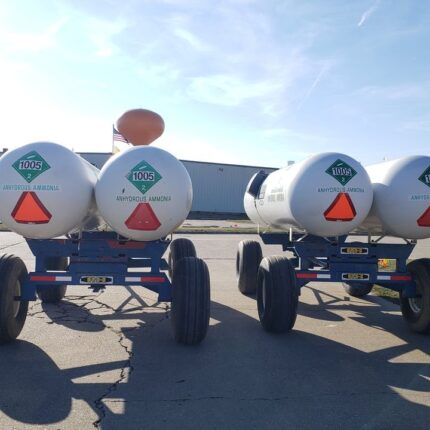
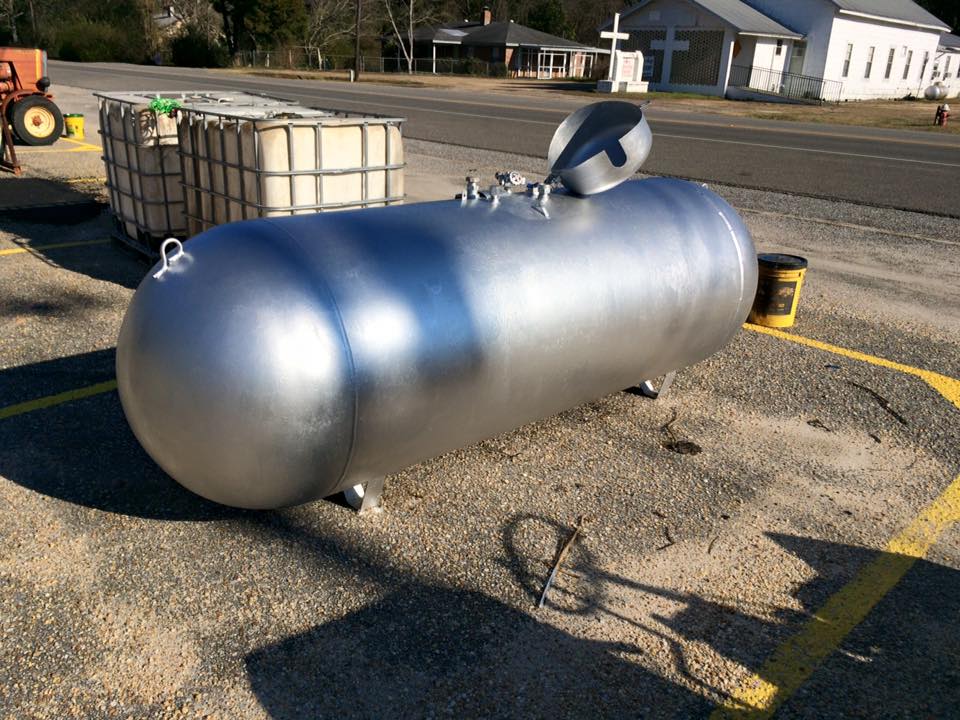
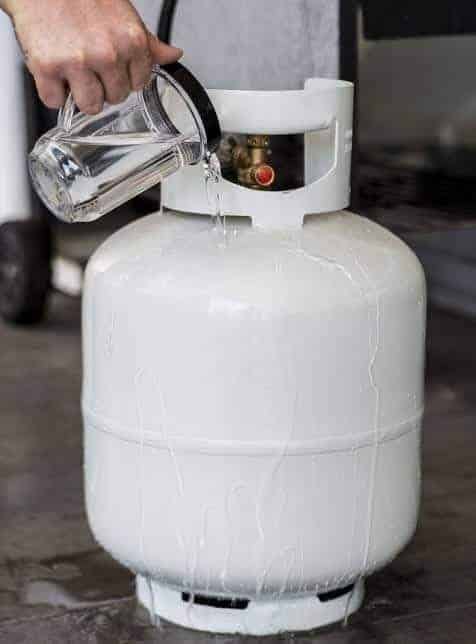
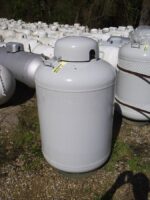
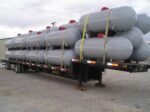
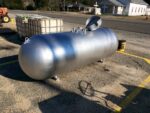
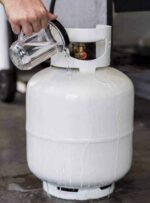
Buy Propane Gas Tanks Online ASME & DOT
Price range: $1,800.00 through $4,000.00
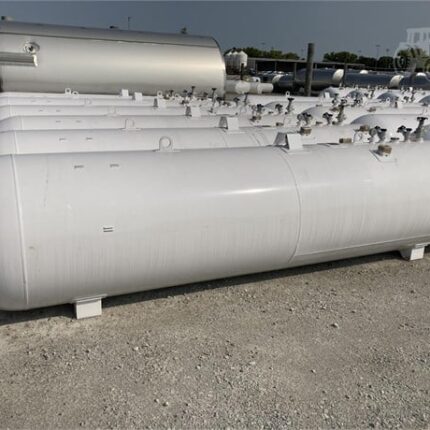
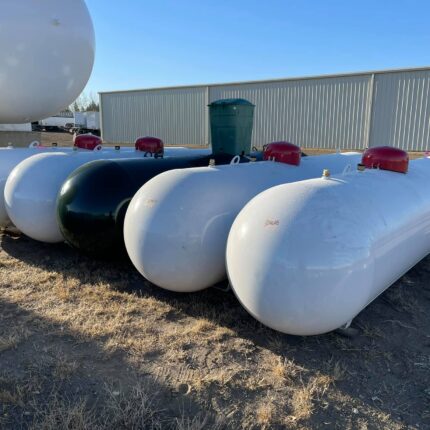
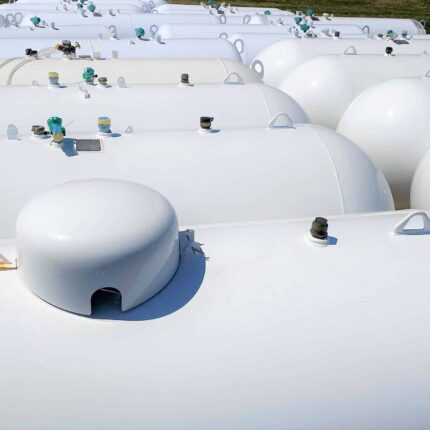
Explore our extensive selection of ASME & DOT Certified Propane Gas Tanks for sale online. Ideal for residential, commercial, and industrial use, our durable propane tanks ensure safety and efficiency. Find the perfect tank to meet your needs at [Pull Cargo Trailers] today!
The Ultimate Guide to Buying Propane Gas Tanks Online: ASME & DOT Certified Options
Introduction
Propane gas tanks are essential for various applications, from residential heating and cooking to commercial uses in restaurants and industrial facilities. Whether you’re a homeowner, a business owner, or an industrial operator, having a reliable propane storage solution is crucial. This comprehensive guide will delve into the different types of propane tanks available, focusing on ASME (American Society of Mechanical Engineers) and DOT (Department of Transportation) certifications. For a wide selection of high-quality propane tanks, visit [Pull Cargo Trailers]. Buy Propane Gas Tanks Online ASME & DOT
Understanding Propane Tanks: ASME vs. DOT
What is Propane?
Propane is a versatile fuel derived from natural gas processing and petroleum refining. It’s commonly used for cooking, heating, hot water systems, and as fuel for vehicles and equipment. Propane is stored as a liquid in pressurized tanks and converted to gas when released. Buy Propane Gas Tanks Online ASME & DOT
Importance of Certification
Propane tanks are categorized based on their application and required certification. Understanding the differences between ASME and DOT tanks is essential.
ASME-Certified Tanks
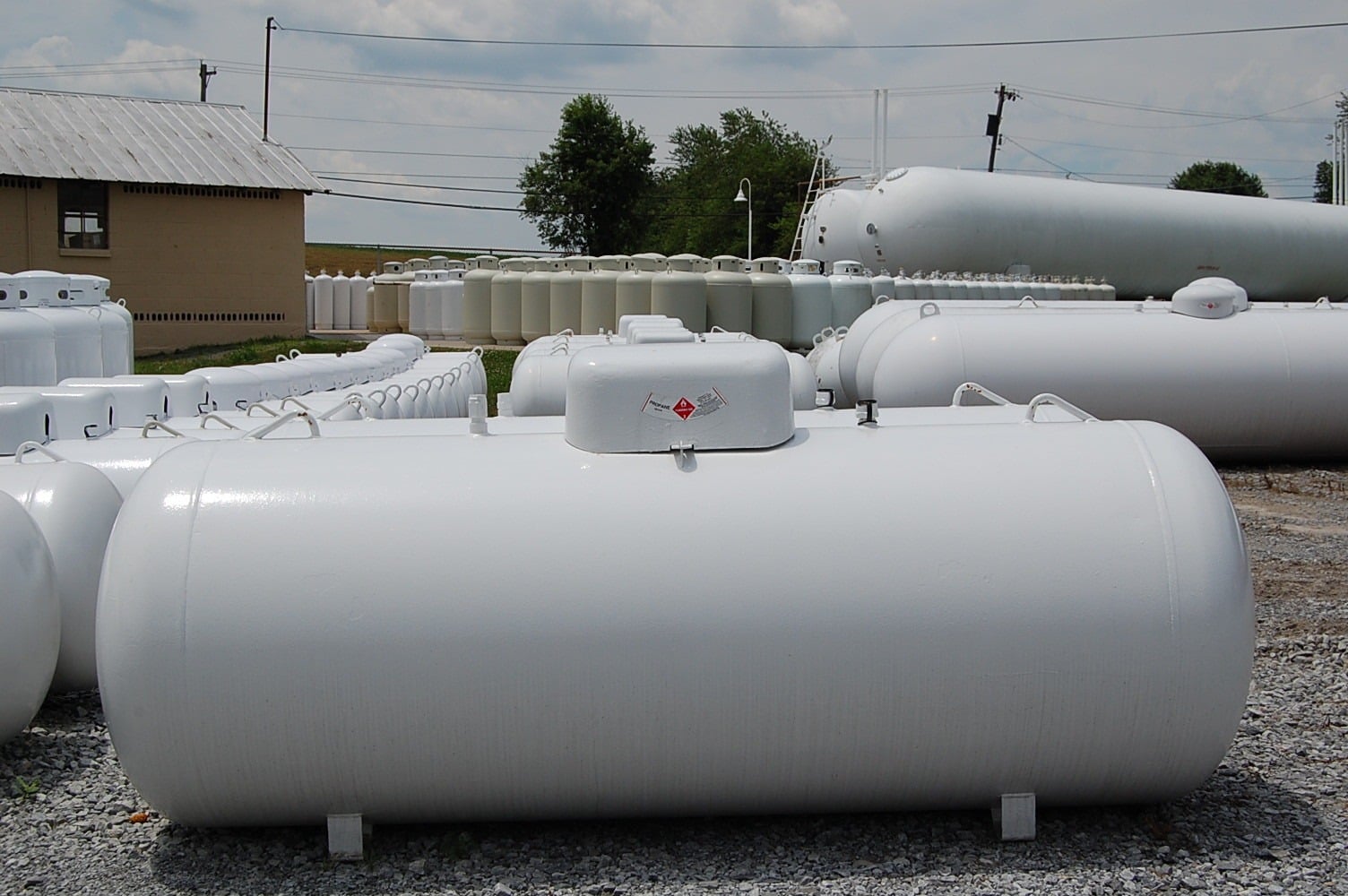
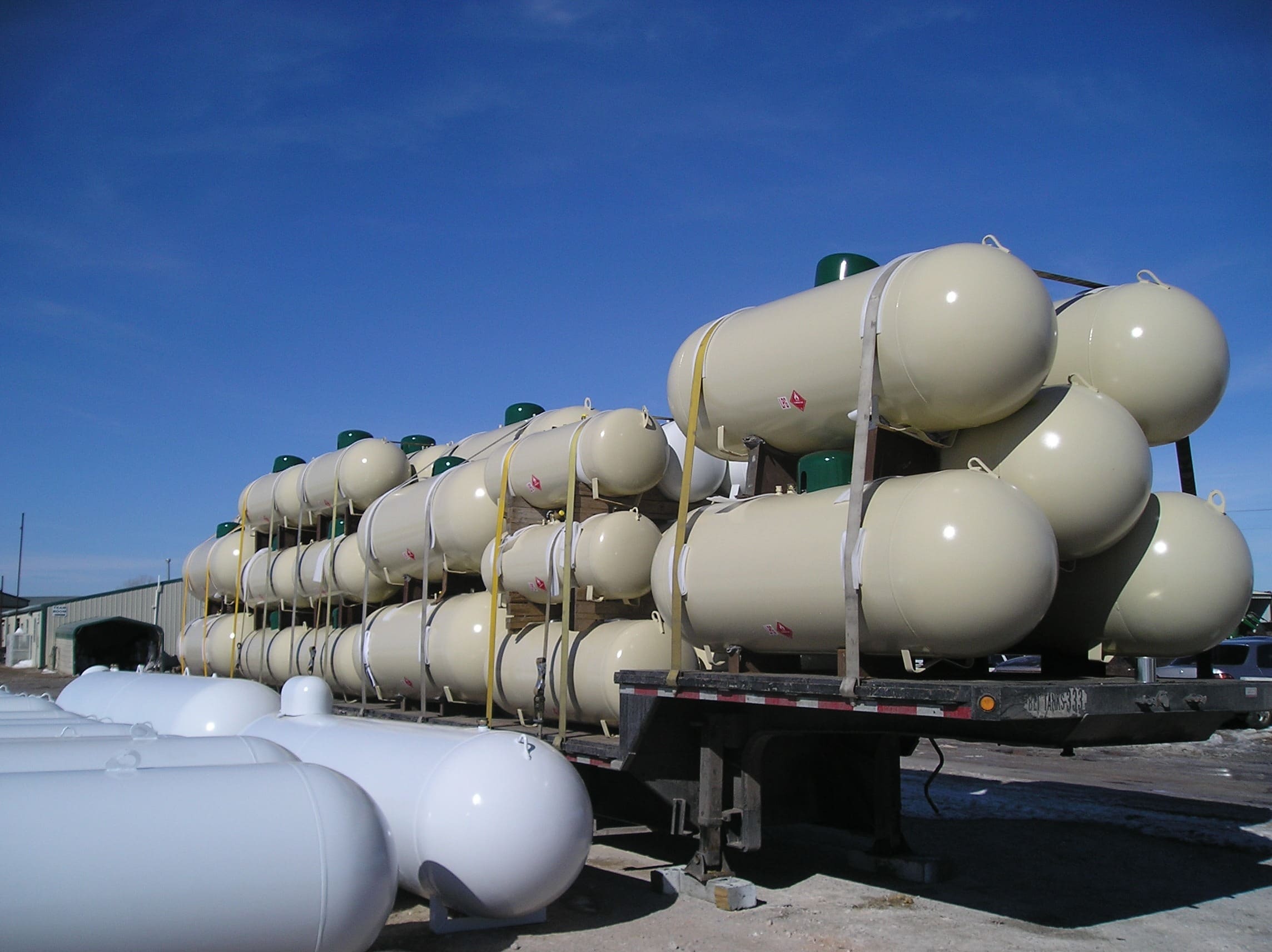
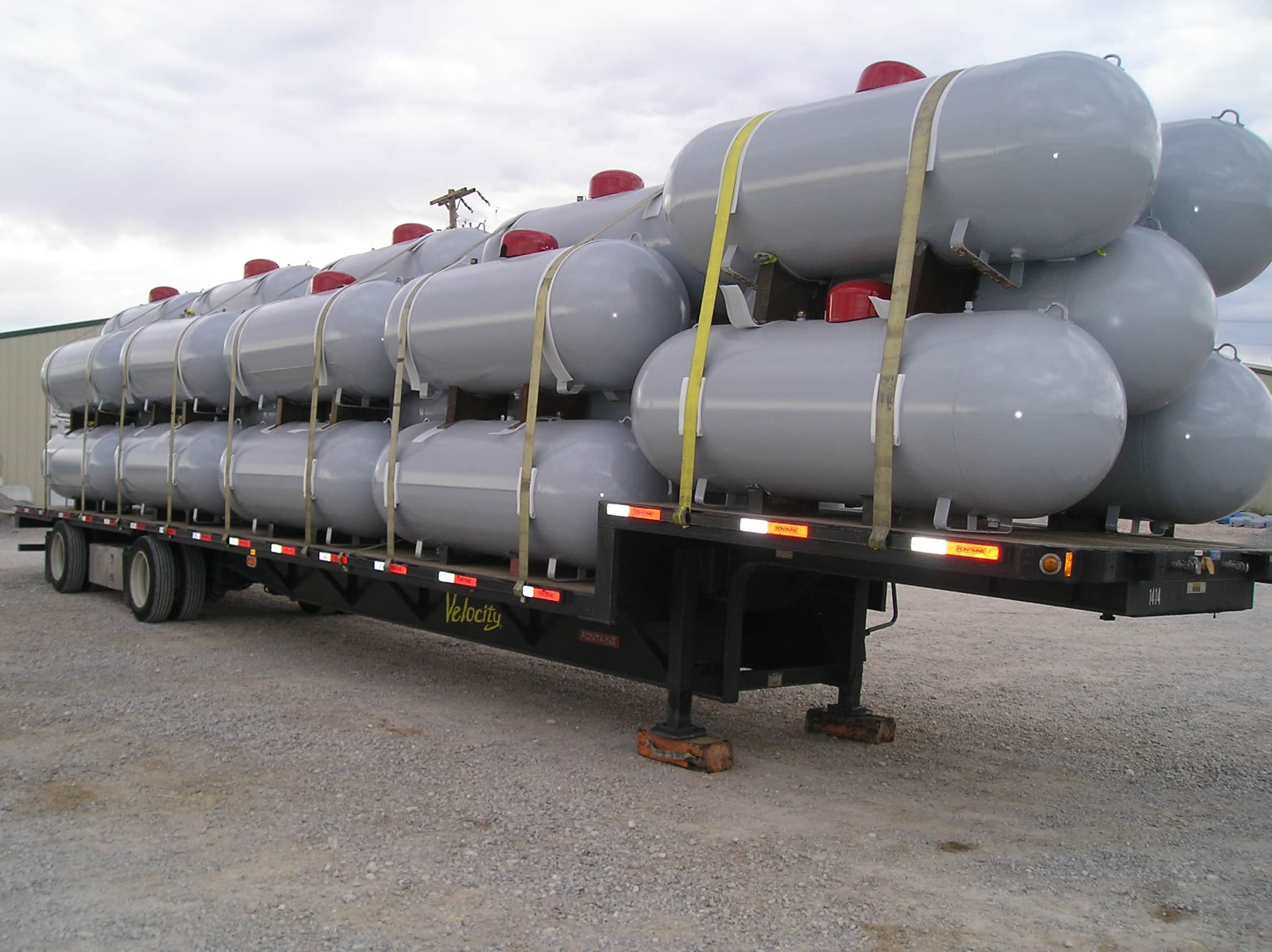
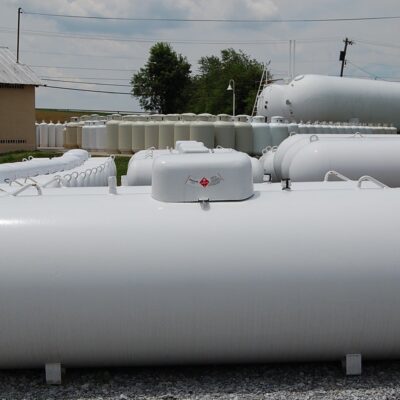
- Definition: ASME tanks are designed for permanent installation and typically used for stationary applications.
- Usage: These tanks are often used in residential settings, commercial facilities, and industrial applications where a large supply of propane is necessary and where safety standards are paramount.
- Capacity: ASME tanks come in various sizes, from small 120-gallon tanks to larger 1,000-gallon models.
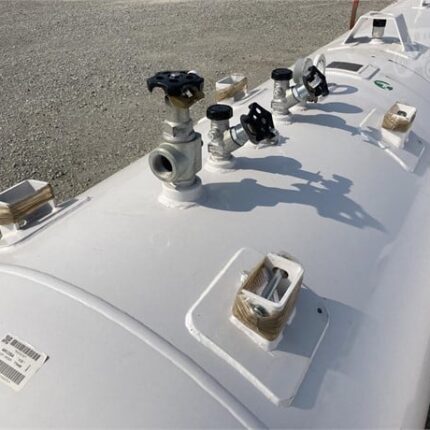
- Safety Features: ASME tanks feature robust designs, pressure relief valves, and other safety mechanisms to ensure safe operation.
DOT-Certified Tanks
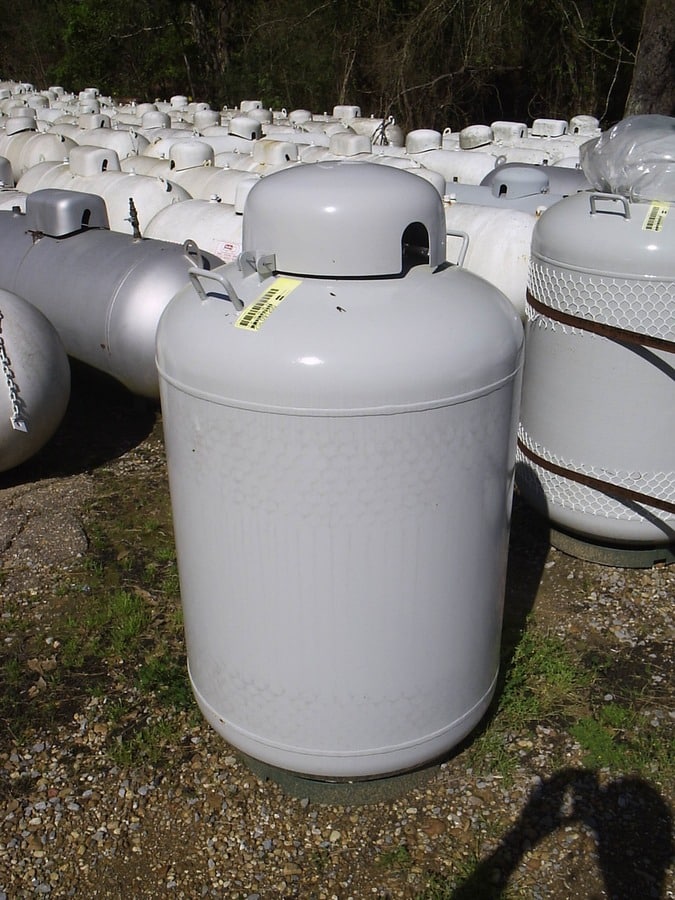
- Definition: DOT tanks are portable and meant for transportation. They are usually smaller and lighter than ASME tanks.
- Usage: Commonly utilized for recreational vehicles (RVs), camping, and portable heating or cooking requirements.
- Capacity: DOT tanks usually range from 20-pound cylinders to 100-pound tanks, making them ideal for transient use.
- Safety Features: These tanks are designed to withstand the rigors of transportation, including protective coatings and robust structural integrity.
Key Differences
| Feature | ASME Tanks | DOT Tanks |
|---|---|---|
| Purpose | Stationary applications | Portable applications |
| Installation | Permanent installation | Temporary or mobile installation |
| Tank Size | Typically larger | Smaller, portable sizes |
| Certification | ASME standards | DOT standards |
Applications of Propane Tanks
Understanding the various applications of propane tanks can help you make an informed buying decision:
Residential Use
- Heating: Propane is often used for home heating systems. ASME tanks are ideal for providing a constant supply of propane for furnaces and boilers.
- Cooking: Many homes utilize propane for cooking stoves and ovens, offering immediate temperature control.
- Hot Water: Propane water heaters are efficient and provide quick hot water supply.
Commercial Use
- Restaurants: Many restaurants rely on propane for cooking, heating, and hot water needs. A large, ASME-certified tank can ensure a steady supply.
- Agriculture: Farmers use propane for heating greenhouses, fueling equipment, and crop drying.
- Construction: Propane tanks can power construction equipment and heating devices at job sites.
Industrial Use
- Manufacturing: Propane is used in various manufacturing processes, including powering forklifts and heating facilities. Buy Propane Gas Tanks Online ASME & DOT
Recreational Use
- Camping and RVs: DOT tanks are perfect for outdoor enthusiasts, supplying gas for grills, stoves, and heating systems.
- Portable Generators: Many portable generators run on propane, making it a convenient energy source during outdoor events.
Alternative Energy Solutions
Propane is considered a cleaner-burning fuel compared to other fossil fuels, making it an environmentally friendly option for various applications. It is an excellent alternative for users looking to reduce their carbon footprint. Buy Propane Gas Tanks Online ASME & DOT
How to Choose the Right Propane Tank
Choosing the right propane tank involves considering several factors:
1. Purpose of Use
Determine if you need a portable tank for temporary use (DOT) or a larger stationary tank (ASME) for consistent supply. Buy Propane Gas Tanks Online ASME & DOT
2. Storage Capacity
Identify how much propane you’ll need based on your application. For example, a 500-gallon ASME tank is suitable for homes, while a 20-pound DOT cylinder is ideal for RVs or outdoor grilling. Buy Propane Gas Tanks Online ASME & DOT
3. Local Regulations
Check local laws and regulations governing propane tank installation and usage. Some areas may have specific codes that dictate where tanks can be placed or how they must be maintained. Buy Propane Gas Tanks Online ASME & DOT
4. Safety Features
Look for tanks equipped with safety features such as overfill prevention devices, pressure relief valves, and robust construction. Buy Propane Gas Tanks Online ASME & DOT
5. Quality and Certification
Always opt for tanks that are ASME or DOT certified to ensure they meet industry safety standards. Purchasing from reputable suppliers guarantees durability and safety. Buy Propane Gas Tanks Online ASME & DOT
Online Purchasing of Propane Tanks
When purchasing a propane tank online, follow these steps to ensure a smooth process:
Step 1: Research Reputable Suppliers
Identify reputable suppliers with positive customer reviews. Consider the following factors:
- Product Range: Ensure they offer both ASME and DOT tanks based on your needs.
- Customer Service: Choose suppliers known for their strong customer support and service.
Step 2: Compare Pricing
Collect quotes from different suppliers, and be mindful of additional costs such as shipping and handling. Pricing may vary based on tank size and features.
Step 3: Validate Certifications
Check that the tanks are certified (ASME or DOT) and meet local safety regulations. Confirm this information with the retailer. Buy Propane Gas Tanks Online ASME & DOT
Step 4: Read Customer Reviews
Look for reviews or testimonials that provide insight into the quality and reliability of the tanks and the supplier’s customer service. Buy Propane Gas Tanks Online ASME & DOT
Step 5: Make Your Purchase
Finalize your purchase by selecting your preferred tank, following all online procedures for payment and shipping. Be sure to review the return policy.
Installation and Maintenance of Propane Tanks
Installation Considerations
- Professional Installation: For ASME tanks, it’s often required to have a certified professional install the tank to meet local codes.
- Location: Choose an appropriate location away from structures, vegetation, and other potential hazards, ensuring easy access for refill and maintenance.
- Permits: Verify any permits required for installing propane tanks in your area.
Maintenance Tips
Regular maintenance is essential for safety and optimal performance:
- Routine Inspections: Schedule regular inspections to check for leaks, rust, or any damage. If you detect a propane smell, evacuate immediately and contact a professional.
- Cleaning: Keep the tank and surrounding area clean and free of debris to prevent corrosion and hazards.
- Valve Checks: Inspect valves regularly to ensure they function correctly and are not leaking.
- Documentation: Keep records of installations, inspections, and maintenance performed for future reference.
Safety Considerations
General Safety Guidelines
- Proper Storage: Store propane tanks upright in a well-ventilated area away from direct sunlight and flammable materials.
- Emergency Plans: Have an emergency response plan if a leak occurs. Know how to shut off the gas supply and evacuate the area if necessary.
- Training: Ensure that anyone who will be operating or handling propane tanks is properly trained in safety procedures.
Safety Features of Propane Tanks
- Pressure Relief Valve: This crucial feature releases excess pressure inside the tank, reducing the risk of explosion.
- Overfill Prevention Devices (OPD): These devices prevent filling the tank beyond its safe capacity.
- Environmental Resistant Coating: Many ASME tanks come with coatings that resist weathering and corrosion.
Environmental Considerations
Using propane as an energy source has several environmental benefits:
- Low Emissions: Compared to other fossil fuels, propane produces fewer greenhouse gases, contributing to cleaner air quality.
- Renewable Options: Some companies offer renewable propane derived from biomass, further reducing the carbon footprint.
- Efficient Energy Source: Propane is a highly efficient energy source, providing more energy per unit compared to many other fuels.
Common Myths About Propane Tanks
1. “Propane is Dangerous”
While propane is a flammable gas, when handled properly, it is safe. Following regulations and best practices mitigates any risks associated with propane use.
2. “All Tanks are the Same”
Not all propane tanks are created equal. ASME and DOT certifications indicate different use cases and safety standards. Always choose the right type for your application. Buy Propane Gas Tanks Online ASME & DOT
3. “Portable Tanks are Less Reliable”
DOT-certified tanks are designed for mobility and temporary use but meet rigorous safety standards. They are just as reliable as stationary tanks for their intended purposes. Buy Propane Gas Tanks Online ASME & DOT
Conclusion
Buying propane gas tanks online, whether ASME or DOT certified, is a critical investment for various applications in residential, commercial, and industrial settings. Understanding the differences between tank types, choosing the right supplier, and knowing how to install and maintain your tank can ensure safe and efficient propane usage. For a wide selection of high-quality propane tanks and more, visit [Pull Cargo Trailers] today! Buy Propane Gas Tanks Online ASME & DOT
| Tank Type |
Above Ground Propane Tanks ,Underground Propane Tanks |
|---|---|
| Tank Sizes |
1000 Gallon Propane Tank ,500 Gallon Propane Tank ,250 Gallon Propane Tank ,120 Gallon Propane Tank ,57 Gallon Propane Tank ,100 lb Propane Tank (23 gallons) ,33 lb Propane Tank (7.8 gallons) ,20 lb Propane Tank (4.6 gallons) |