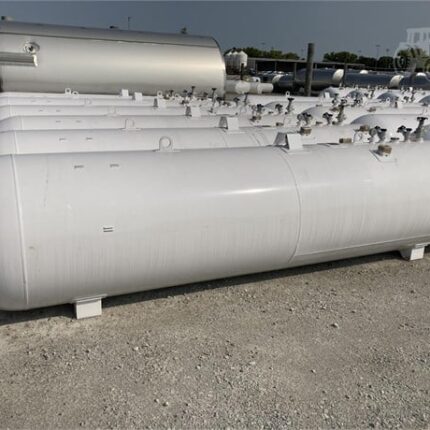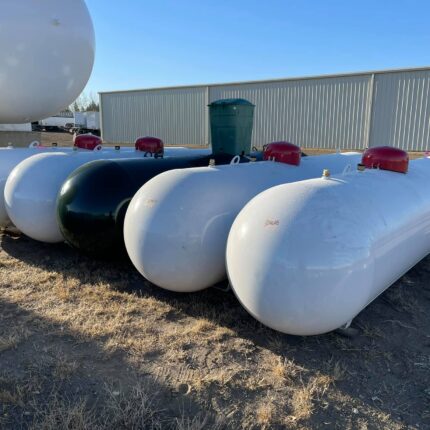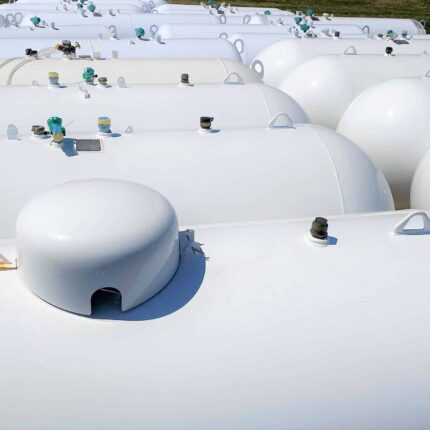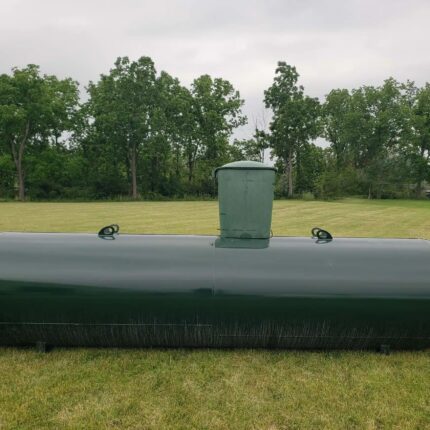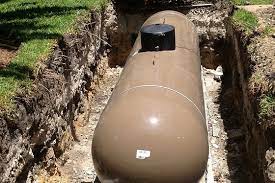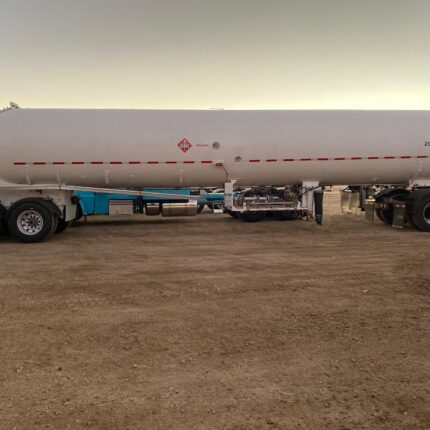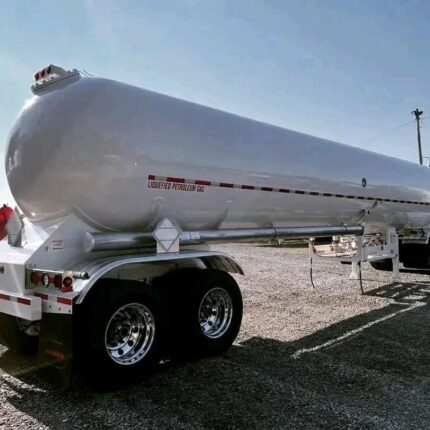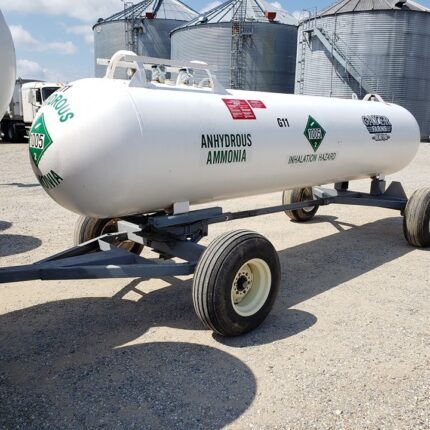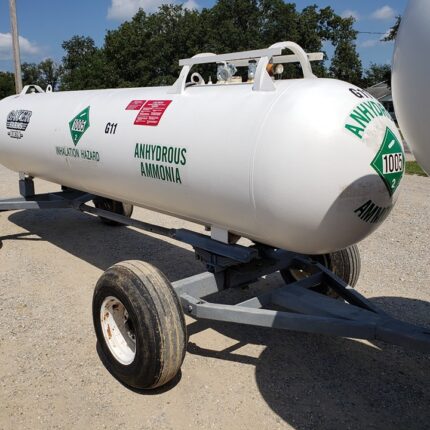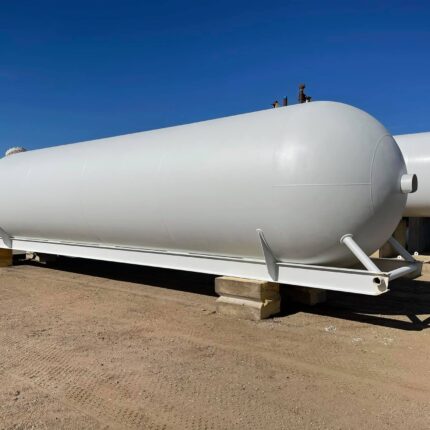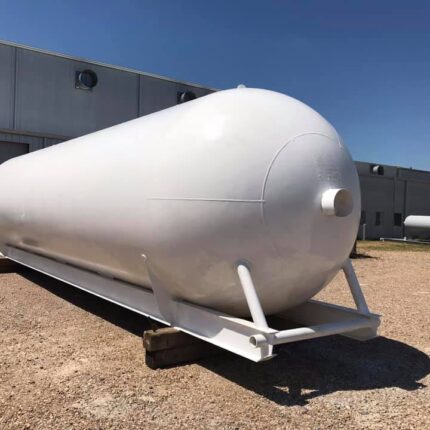
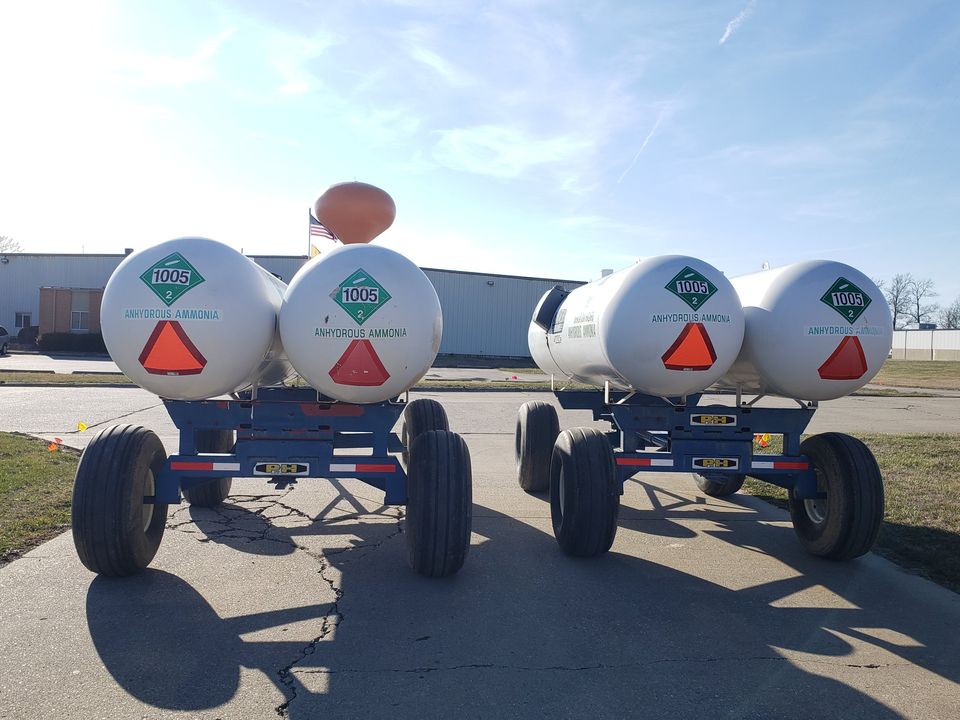
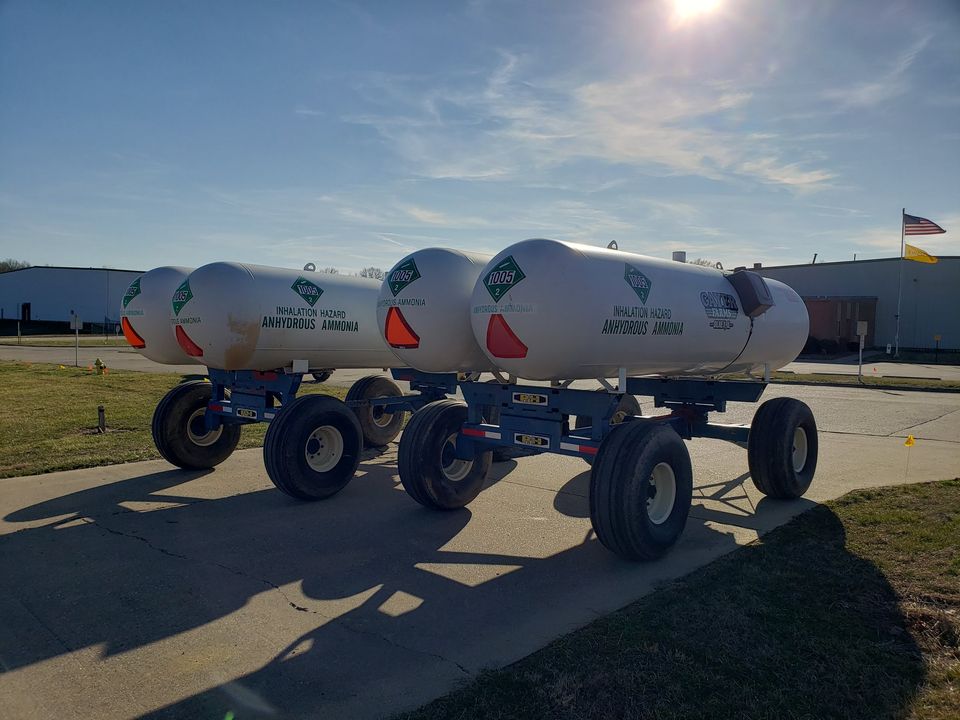
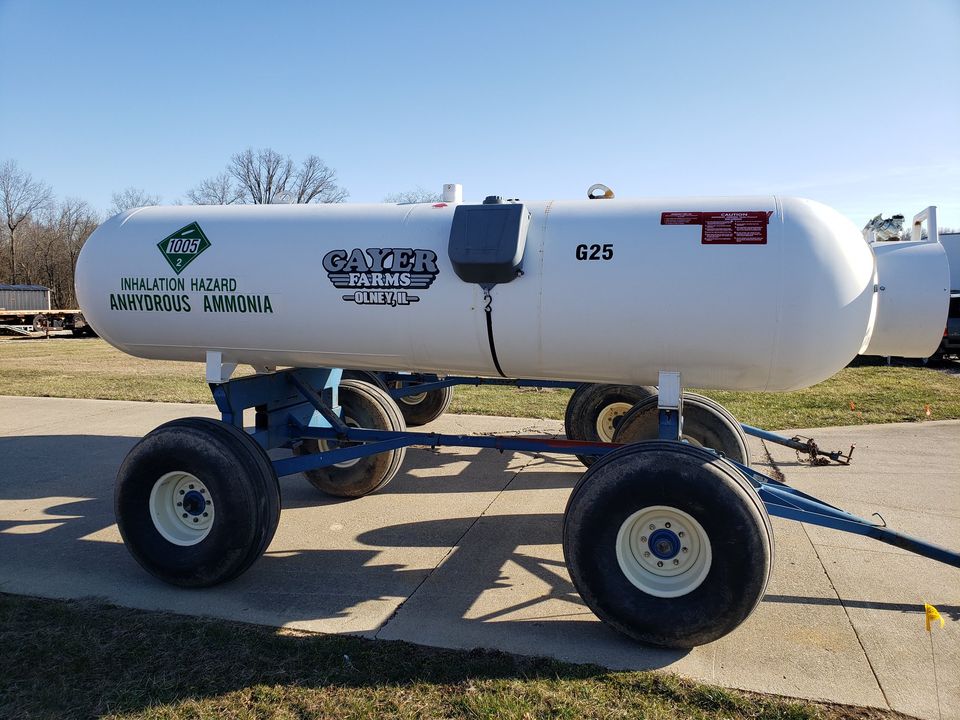
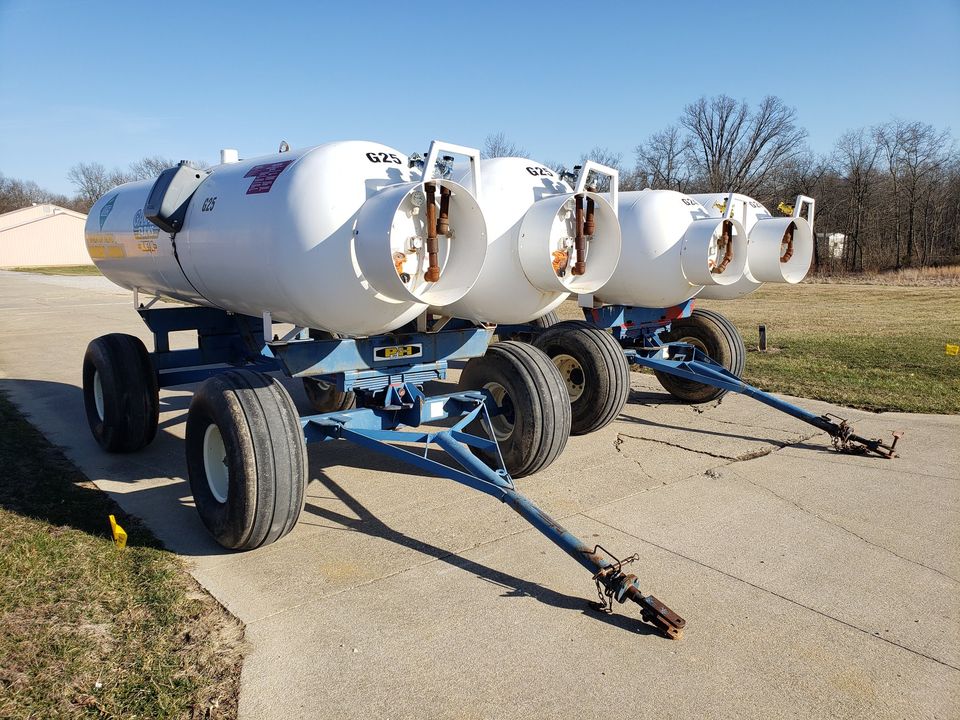
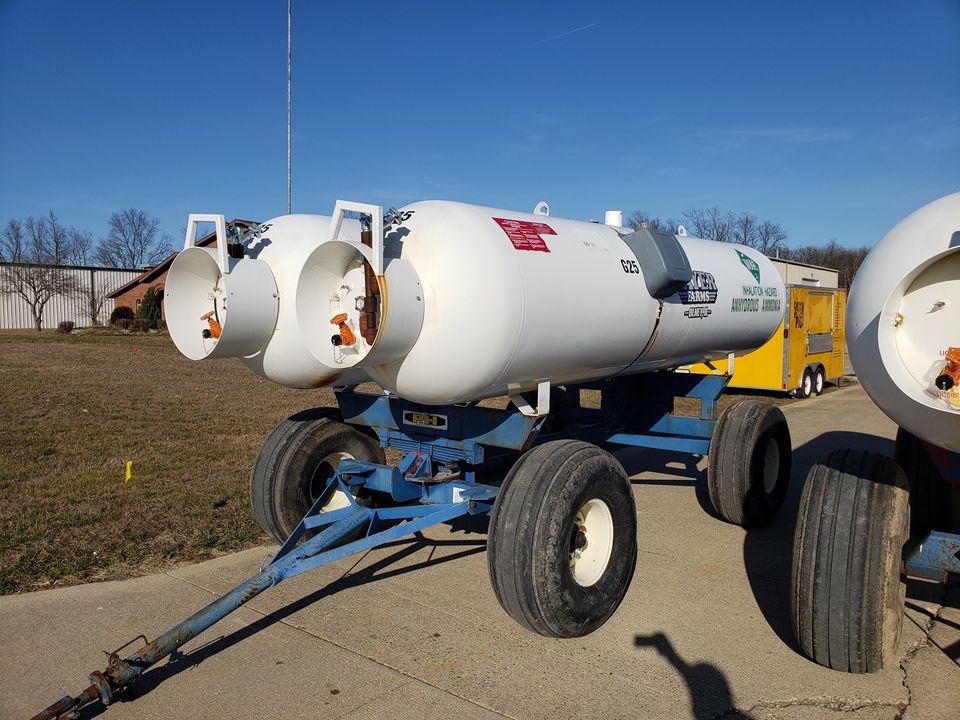
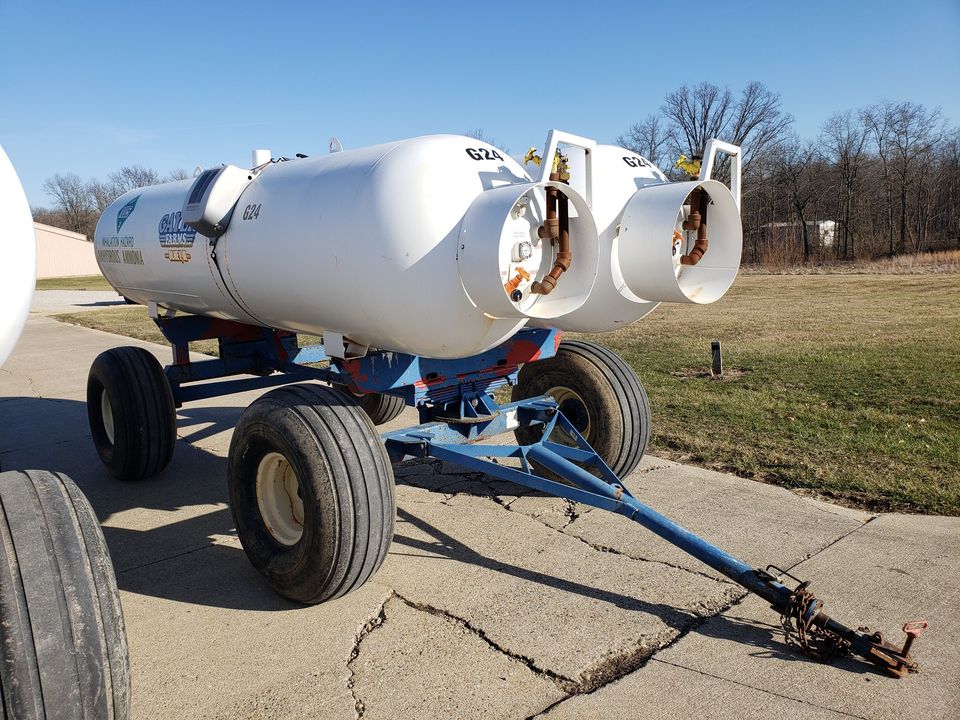
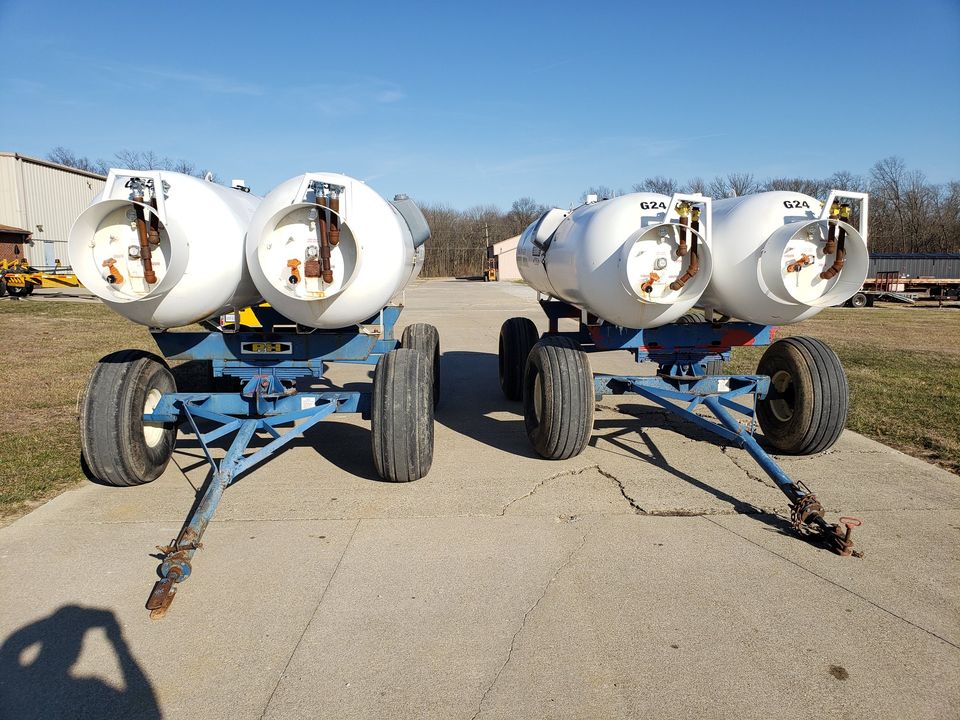
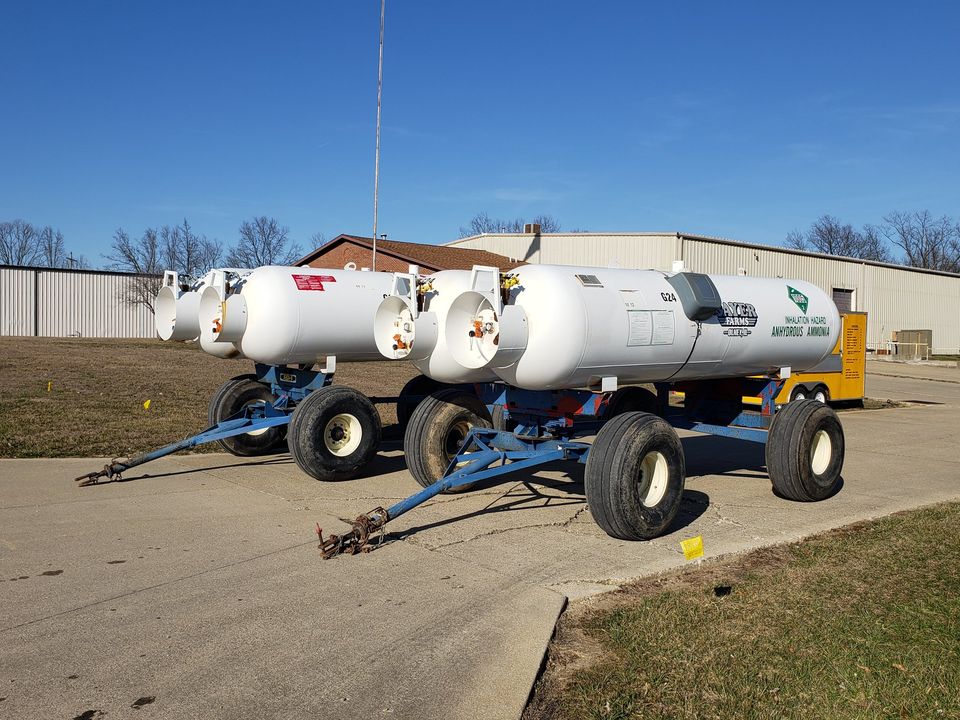
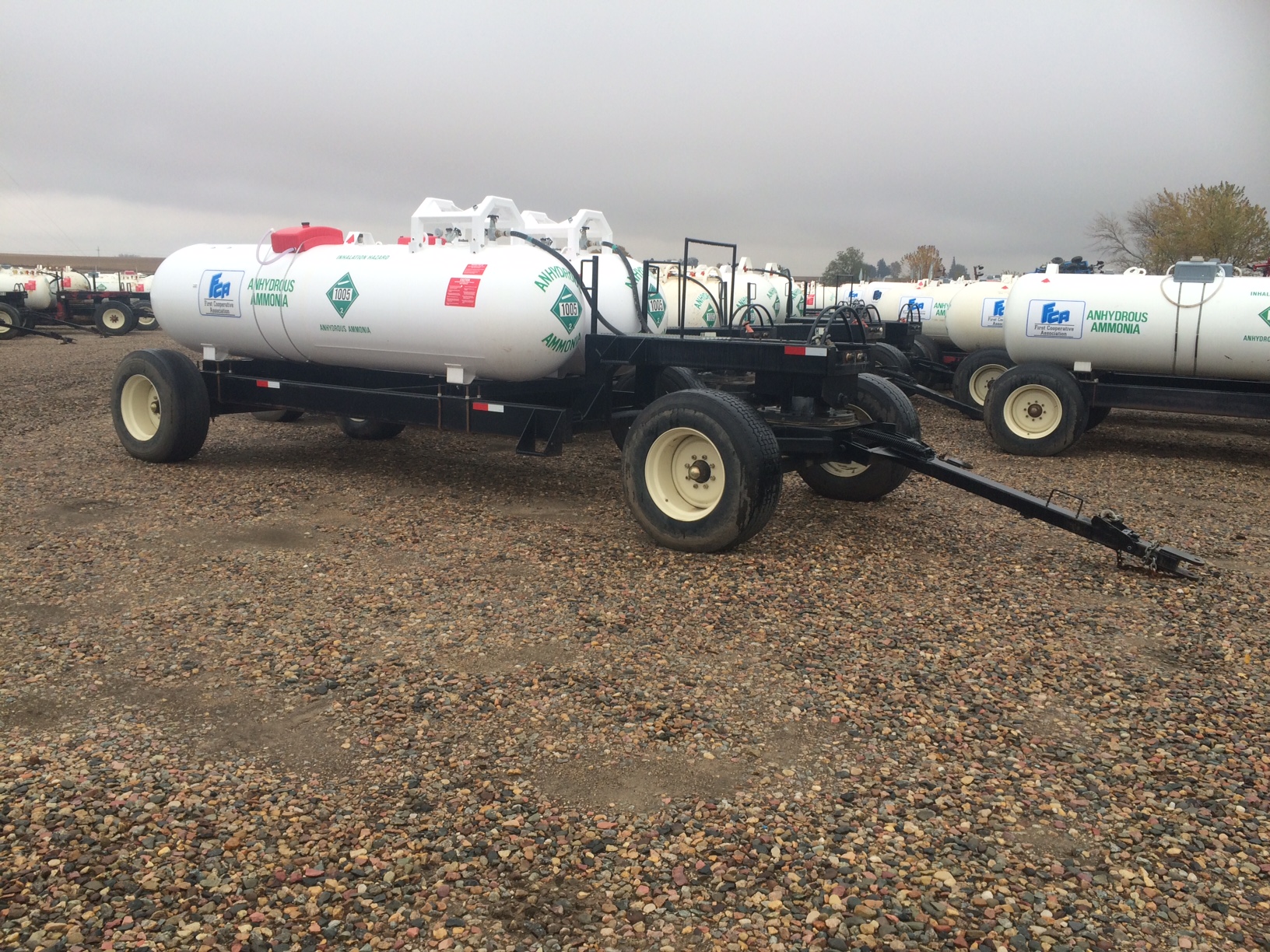
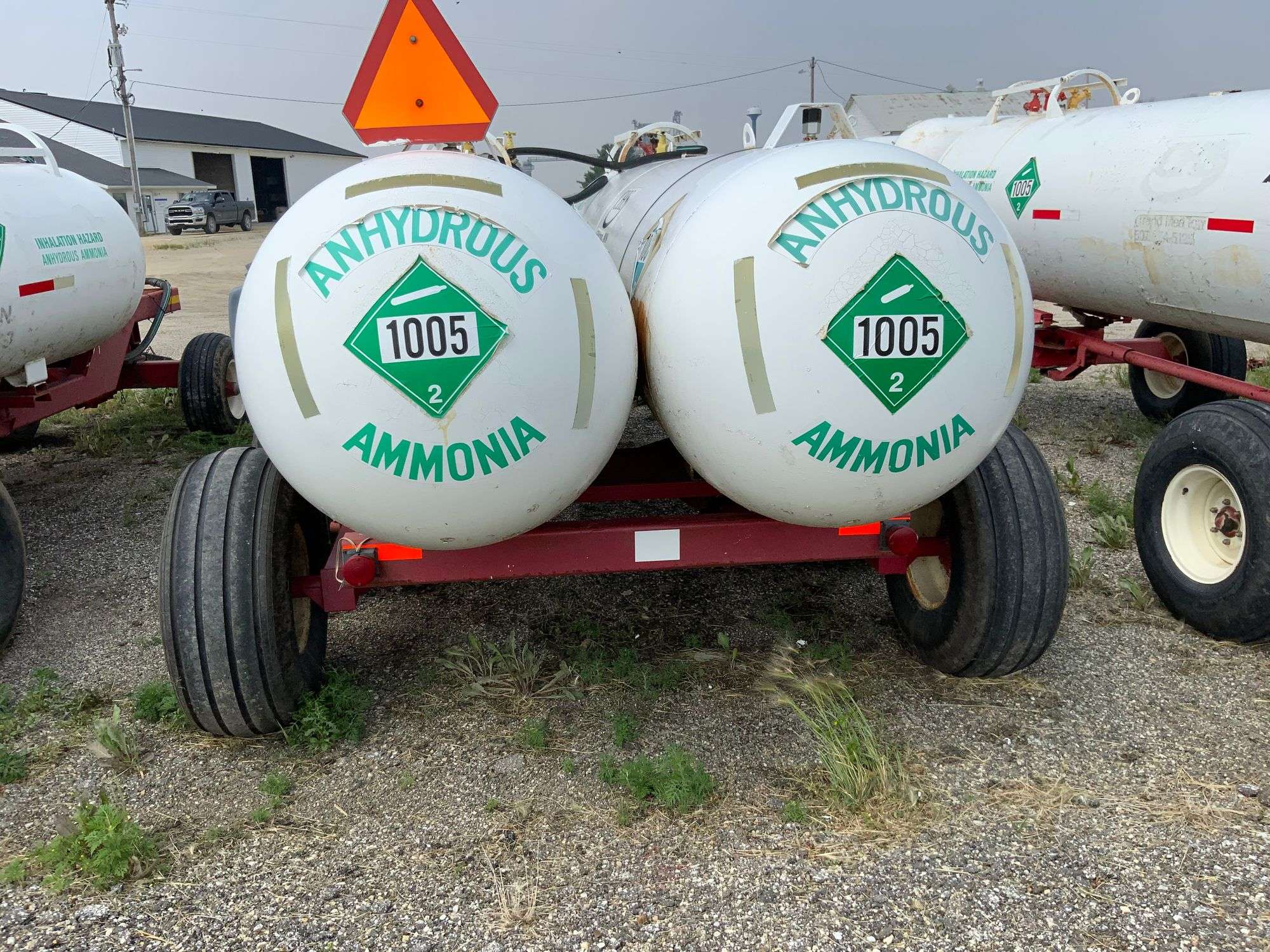
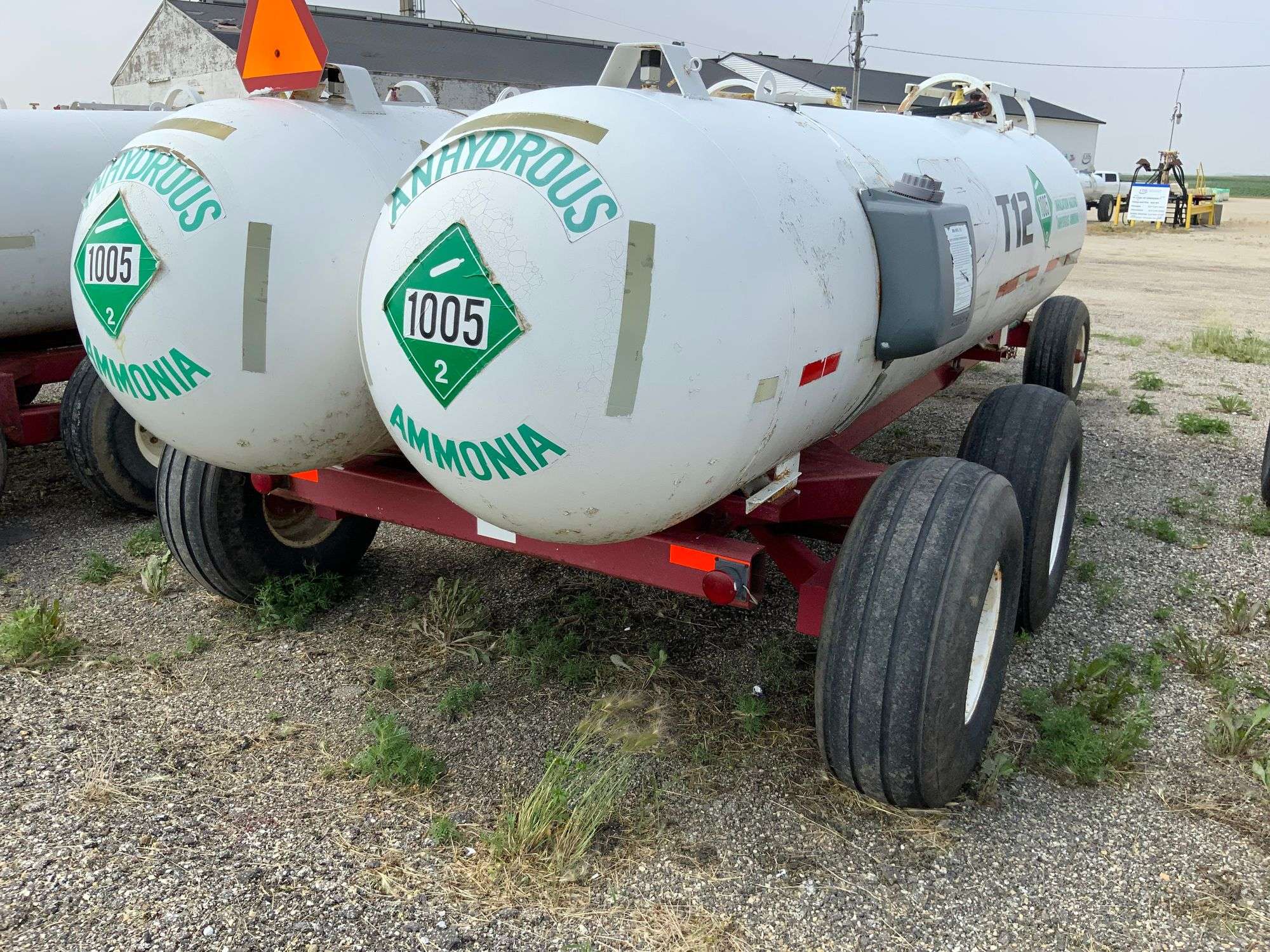
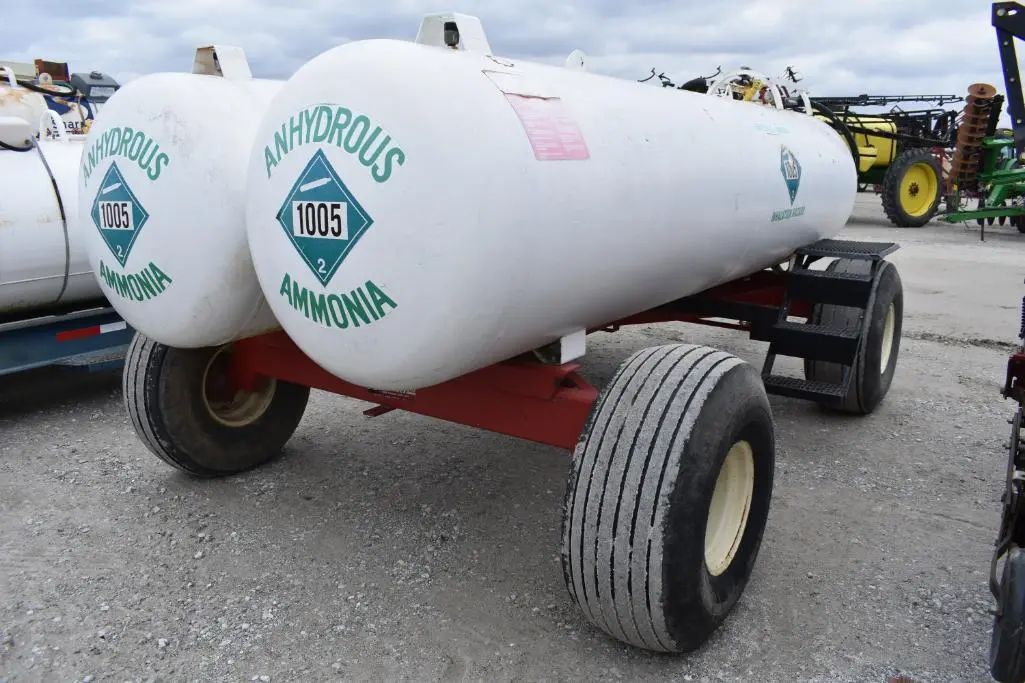
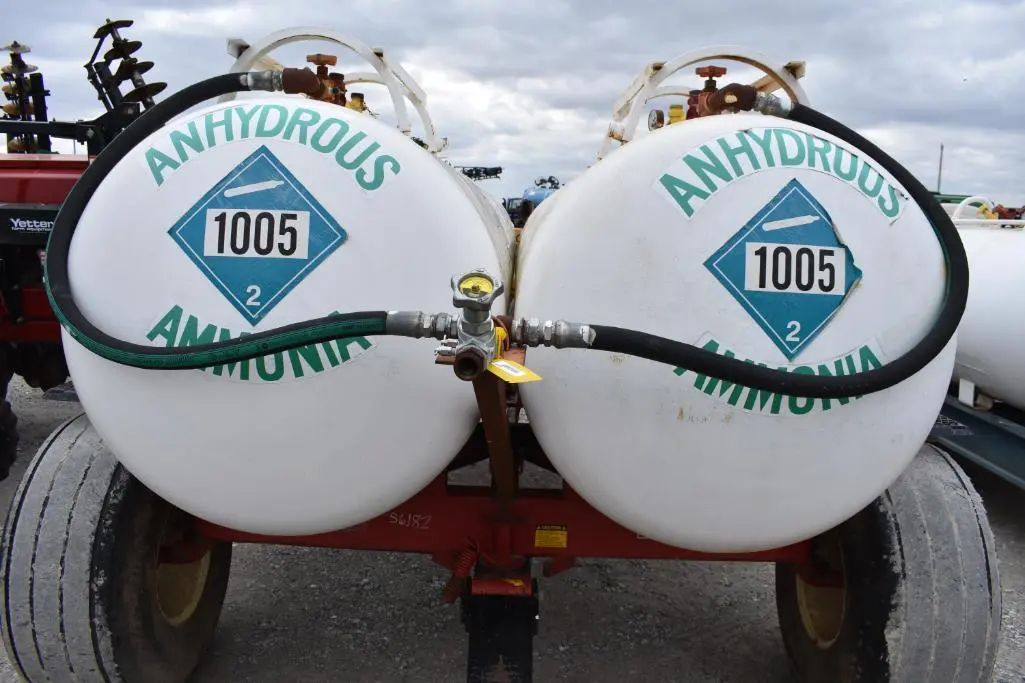
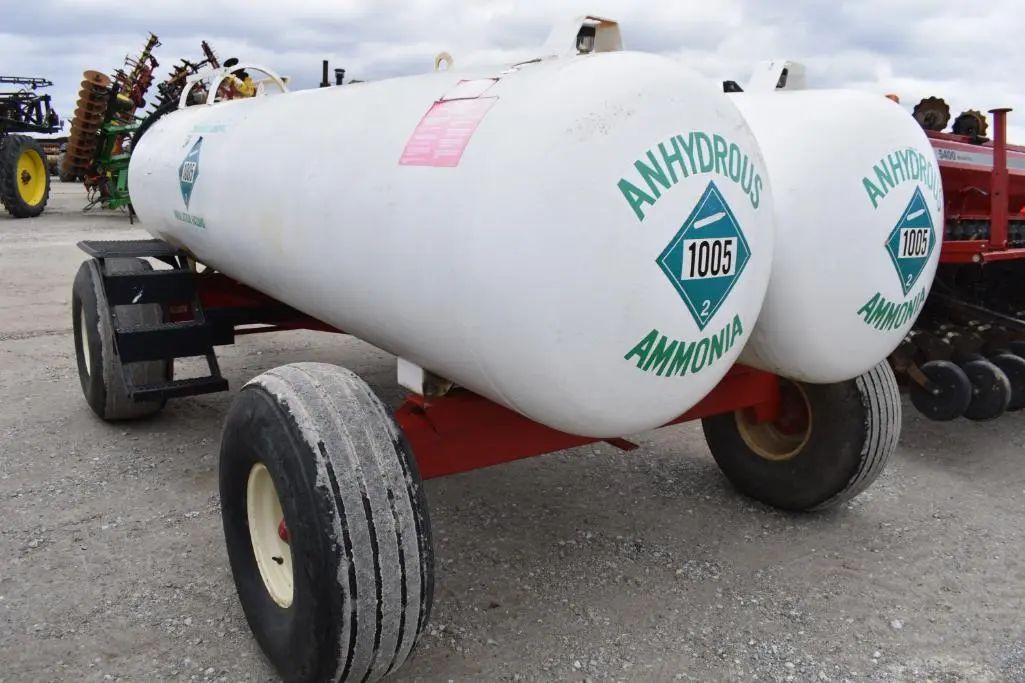
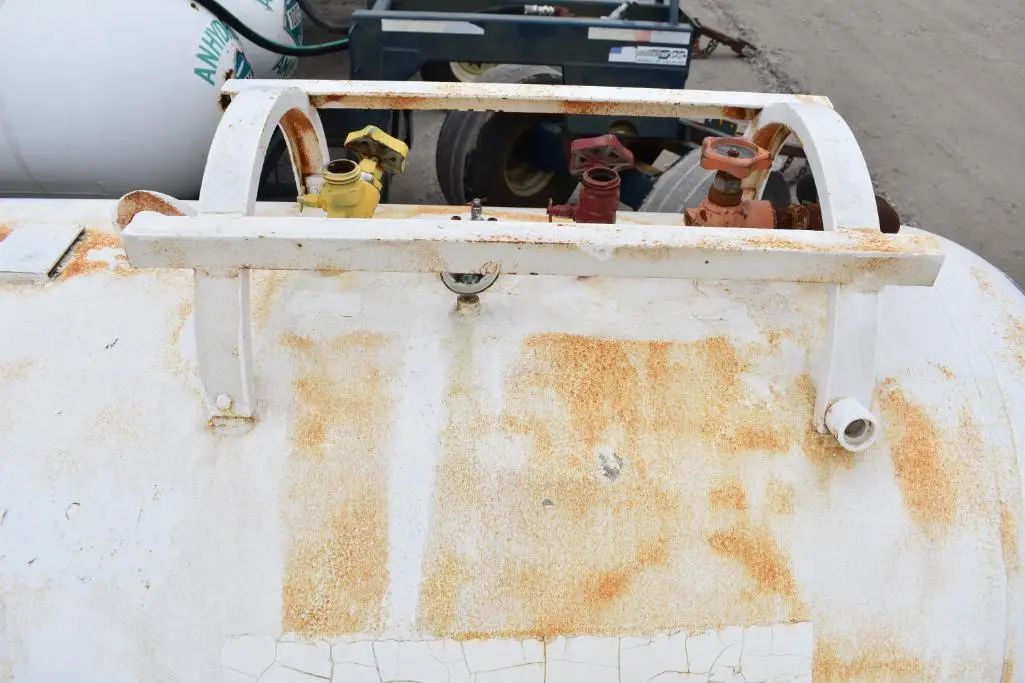

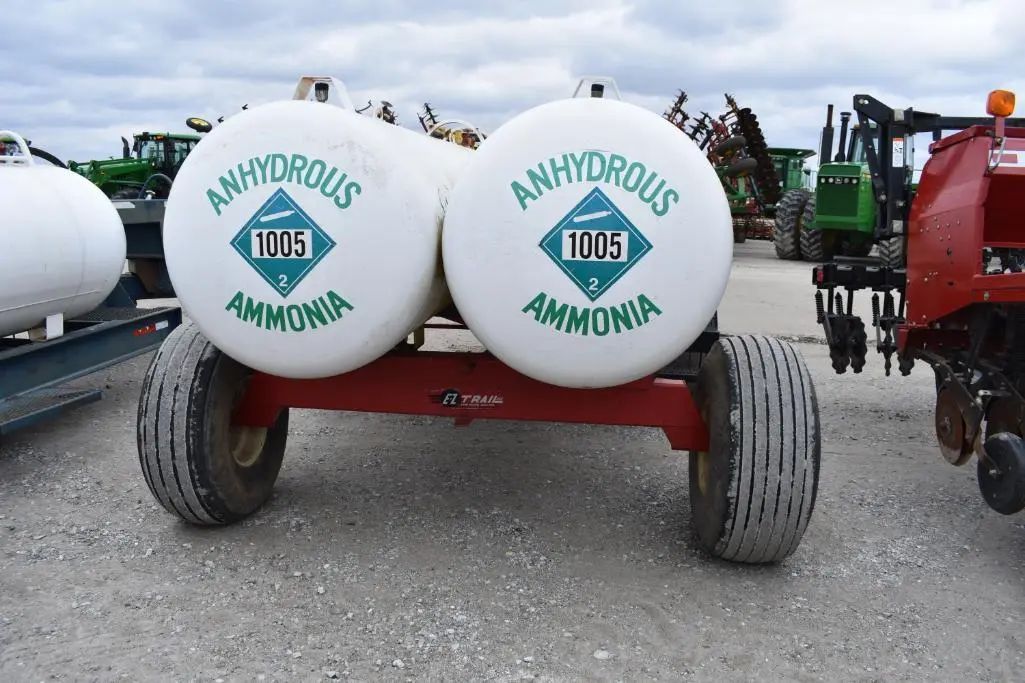
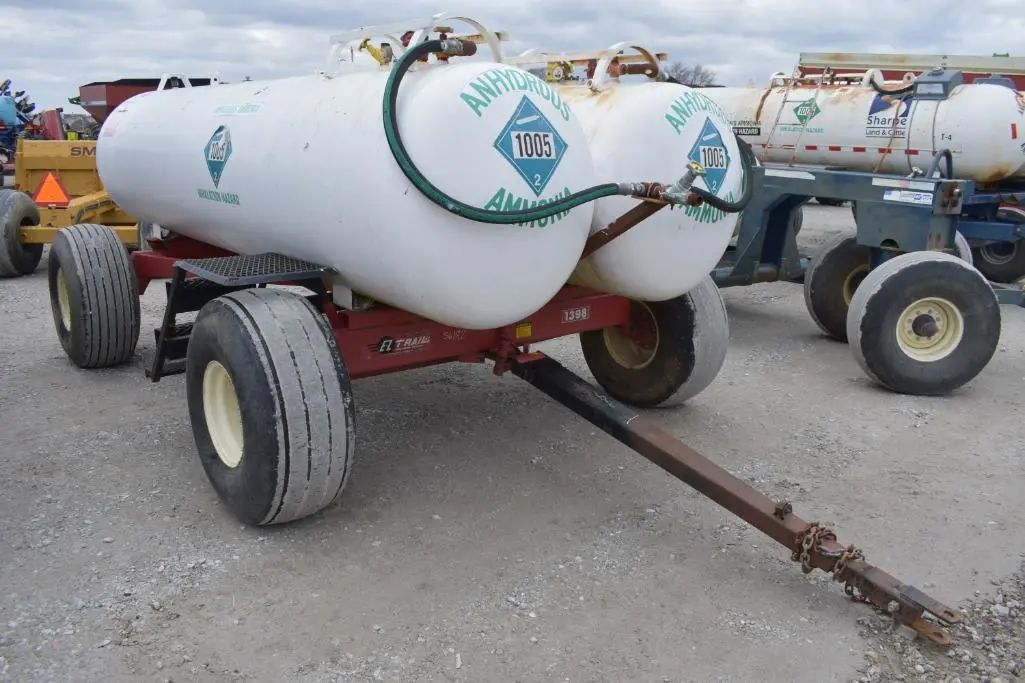
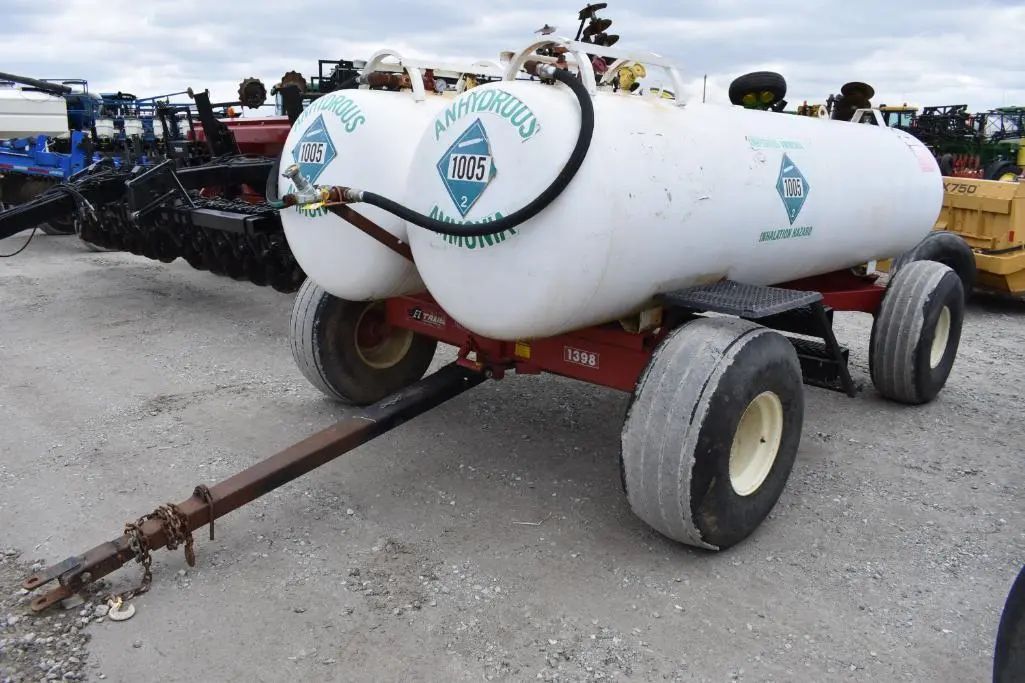

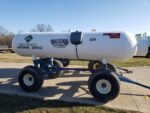
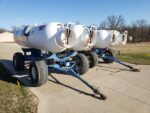
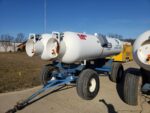
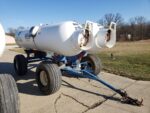
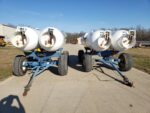
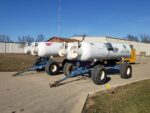
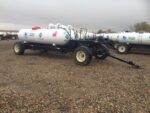
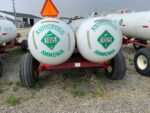
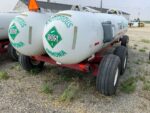
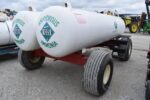
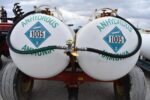
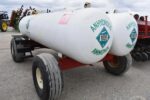


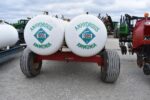
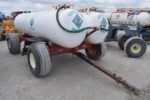
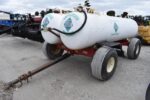
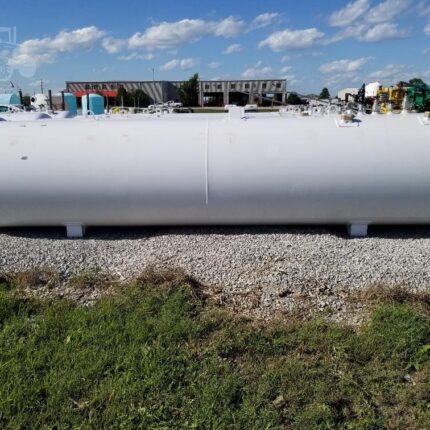
Buy Twin 1000 Gallon Nh3 Tanks Online
Original price was: $5,000.00.$3,500.00Current price is: $3,500.00.
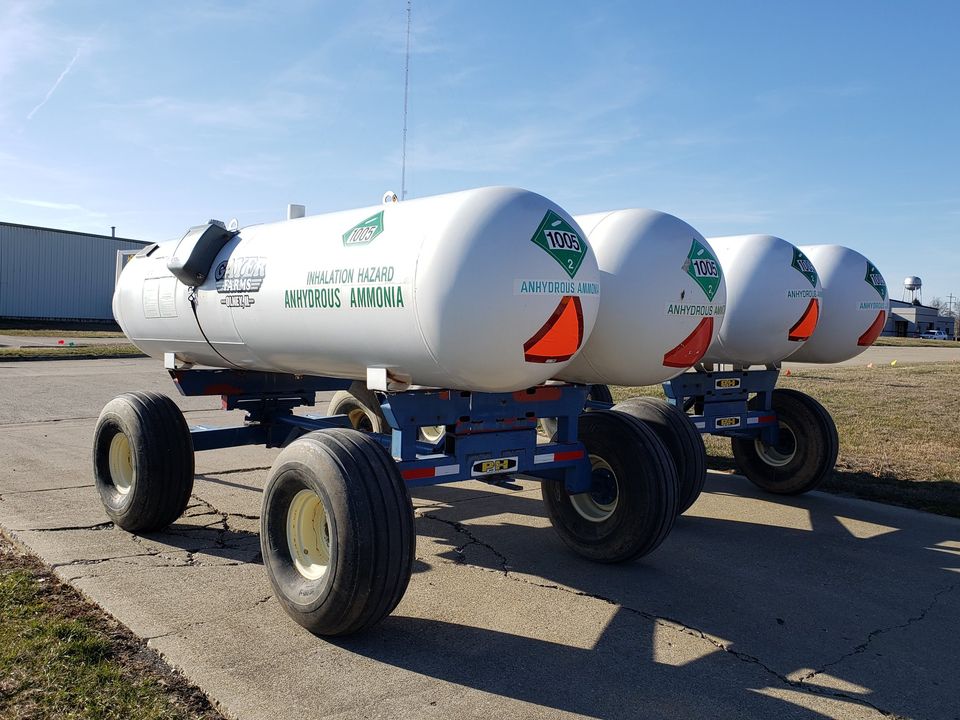
Discover the Twin 1000 Gallon NH3 Tanks—your ultimate solution for efficient anhydrous ammonia storage! Ideal for farmers seeking reliable nitrogen supply, these tanks offer advanced safety features and cost-effective storage options. Explore specifications, pricing, and expert guidance at [Pull Cargo Trailers] to enhance your agricultural operations today!
The Ultimate Guide to Buying Twin 1000 Gallon NH3 Tanks Online
Introduction
In the agricultural sector, nitrogen is an essential component for optimal crop growth. Anhydrous ammonia (NH3) serves as a powerful nitrogen fertilizer, offering various advantages for farmers. The Twin 1000 Gallon NH3 Tanks provide a practical solution for storing and transporting this vital resource efficiently. This comprehensive guide covers everything you need to know about purchasing these tanks online, including specifications, features, benefits, and essential considerations. For expert advice and quality products, visit [Pull Cargo Trailers]. Buy Twin 1000 Gallon Nh3 Tanks Online
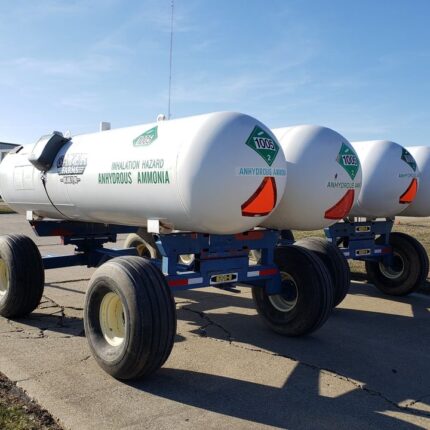
Understanding Anhydrous Ammonia (NH3)
What is Anhydrous Ammonia?
Anhydrous ammonia is a nitrogen-based compound widely used as a fertilizer in agriculture. With a high nitrogen content—around 82%—it is one of the most effective and concentrated forms of nitrogen available for plant growth. Buy Twin 1000 Gallon Nh3 Tanks Online
Importance in Agriculture
- Nutrient Supply: NH3 is crucial for supplying nitrogen, which is a key nutrient for plant metabolism and growth.
- Soil Fertility: It helps in improving soil fertility, promoting higher crop yields.
- Cost-Effective: Anhydrous ammonia is an economical option compared to other nitrogen fertilizers. Buy Twin 1000 Gallon Nh3 Tanks Online
Key Specifications of Twin 1000 Gallon NH3 Tanks
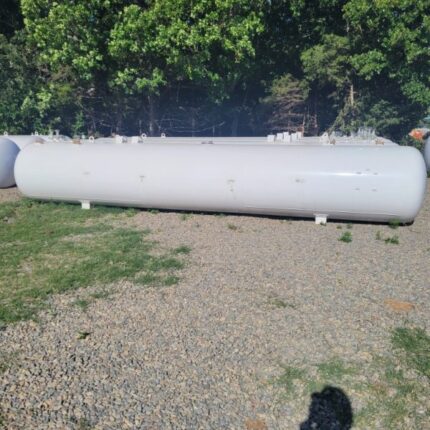
Before purchasing Twin 1000 Gallon NH3 Tanks, it is important to understand their specifications. Here’s a breakdown of the essential details:
| Specification | Details |
|---|---|
| Capacity | 1000 gallons per tank |
| Total Capacity | 2000 gallons (when used together) |
| Material | Carbon steel or stainless steel |
| Dimensions | Approximately 8’-10’ in length and 4’-6’ in diameter |
| Weight | Varies (usually around 2,200 lbs each) |
| Pressure Rating | Typically 250 psi |
| Fitting Type | Standard NH3 fittings |
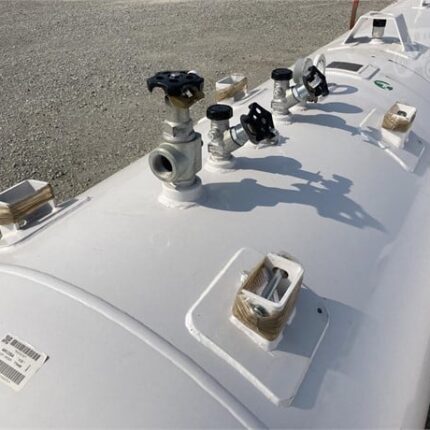
| Safety Features | Safety valves and pressure relief systems |
Varieties Available
- Single Wall Tanks: These are designed with a single layer and are more lightweight, suitable for specific applications.
- Double Wall Tanks: Offering added safety features, these tanks have an extra layer to prevent leaks and ensure environmental safety. Buy Twin 1000 Gallon Nh3 Tanks Online
Benefits of Using Twin 1000 Gallon NH3 Tanks
1. Efficient Storage Solution
Having twin 1000-gallon tanks allows for greater flexibility and efficiency in fertilizer application. They can be used for bulk storage, ensuring that ample nitrogen is available when needed. Buy Twin 1000 Gallon Nh3 Tanks Online
2. Cost-Effectiveness
Bulk purchasing and storage of anhydrous ammonia often lead to significant cost savings. By opting for larger tanks, farmers can take advantage of lower prices on fertilizer. Buy Twin 1000 Gallon Nh3 Tanks Online
3. Enhanced Safety Features
Modern NH3 tanks come equipped with advanced safety systems, including pressure relief valves and monitoring gauges, ensuring that the storage and handling of ammonia is safe and compliant with regulations. Buy Twin 1000 Gallon Nh3 Tanks Online
4. Compatibility
Twin 1000 Gallon NH3 Tanks are compatible with various fertilizer application equipment, making them versatile for different agricultural practices.
5. Increased Productivity
By ensuring a consistent supply of anhydrous ammonia, these tanks help farmers optimize their production cycles and enhance crop yields. Buy Twin 1000 Gallon Nh3 Tanks Online
How to Choose the Right Twin 1000 Gallon NH3 Tanks
1. Assess Your Storage Needs
Evaluate your farm’s nitrogen requirements and determine how much anhydrous ammonia you will be storing. Factors to consider:
- Crop Type: Different crops may have varying nitrogen needs.
- Field Size: Larger fields may require larger storage capacities.
2. Check Compatibility
Ensure that the tanks you choose are compatible with your existing application equipment. This includes fittings, hoses, and delivery systems.
3. Ensure Compliance with Safety Regulations
Make sure that the tanks meet local and federal safety standards and regulations regarding the storage and handling of NH3.
4. Installation Requirements
Consider whether you will be installing the tanks yourself or hiring professionals. Proper installation is crucial for safety and efficiency.
5. Cost and Warranty Options
When evaluating different tanks, consider the overall cost, including installation and maintenance. Look for warranty options that provide coverage for both parts and labor. Buy Twin 1000 Gallon Nh3 Tanks Online
Installation of Twin 1000 Gallon NH3 Tanks
Step 1: Preparation
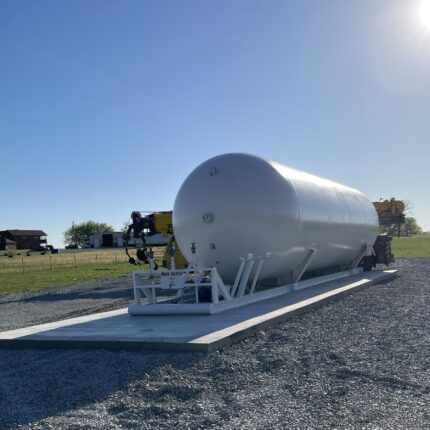
- Site Selection: Choose a location that allows for easy access for filling and application. The site should also comply with local regulations.
- Ground Stability: Ensure that the ground is stable and will not shift or settle, potentially causing tank instability.
Step 2: Positioning the Tanks
- Leveling: Position the tanks on a level surface to prevent any tilt that may cause leaks or pressure issues.
- Connection: Connect tanks using standard NH3 fittings, ensuring all connections are secure.
Step 3: Safety Measures
- Install Safety Valves: Make sure that pressure relief valves are installed and functioning properly.
- Monitoring Equipment: Consider adding monitoring equipment to keep track of tank pressure and levels.
Maintenance of Twin 1000 Gallon NH3 Tanks
Routine Inspections
- Visual Checks: Regularly inspect tanks for any signs of wear, leaks, or damage.
- Safety Valve Tests: Periodically test pressure relief valves to ensure they function as intended.
Scheduled Maintenance Tasks
- Cleaning: Regularly clean the exterior of the tanks to prevent the buildup of corrosive substances.
- Leak Testing: Conduct leak tests to ensure that no ammonia is escaping, which is crucial for safety and compliance.
- Pressure Calibration: Regularly check and calibrate pressure gauges to ensure accurate readings.
Seasonal Maintenance
- Pre-Season Checks: Before planting season, check that all equipment is working efficiently, and perform any necessary repairs.
- Winterization: Take appropriate measures to winterize tanks if they will be out of use during colder months, preventing freezing and expansion.
Safety Considerations
General Safety Guidelines
- Training: Ensure that all personnel handling NH3 are trained in its safe handling and emergency procedures.
- Emergency Plans: Develop clear emergency procedures in case of leaks or spills.
Regulatory Compliance
- EPA Regulations: Be aware of and comply with all Environmental Protection Agency regulations regarding the storage and handling of ammonia.
- OSHA Standards: Follow Occupational Safety and Health Administration guidelines to keep your work environment safe.
Emergency Preparedness
- Containment Measures: Develop a spill containment strategy to minimize risks associated with leaks.
- Emergency Contact Information: Keep a list of emergency contacts readily available for quick responses in case of incidents.
Common Uses of Twin 1000 Gallon NH3 Tanks
1. Fertilizer Storage
The primary use of NH3 tanks is for the safe storage of anhydrous ammonia, ensuring a reliable nitrogen supply for crop fertilization.
2. Transportation
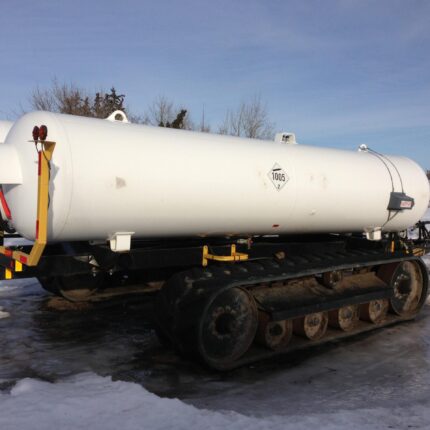
These tanks can be mounted on trucks or trailers for easy transportation of ammonia to various application sites.
3. Custom Fertilizer Blends
Farmers can also use NH3 tanks to create customized fertilizer blends, tailored to the specific needs of their crops.
4. Seasonal Storage
Store anhydrous ammonia during times of lower demand and utilize it during peak growing seasons for cost efficiency. Buy Twin 1000 Gallon Nh3 Tanks Online
Purchasing Considerations
1. Reputable Suppliers
Choose suppliers that specialize in agricultural equipment, ensuring quality and reliability:
- Quality Assurance: Look for certifications and warranties that guarantee product quality.
- Customer Service: Ensure they provide exceptional after-sales support and guidance.
2. Price Comparison
Conduct price comparisons among multiple suppliers, not just for the tanks but for related services such as installation and maintenance.Buy Twin 1000 Gallon Nh3 Tanks Online
3. Warranty Details
Make sure to understand the warranty coverage available for tanks, including parts and labor. Buy Twin 1000 Gallon Nh3 Tanks Online
4. Financing Options
Explore financing options that may be available, making the purchase more manageable for your operation. Buy Twin 1000 Gallon Nh3 Tanks Online
5. Customer Reviews
Read customer testimonials and reviews to gather insights on the real-world performance and reliability of the tanks. Buy Twin 1000 Gallon Nh3 Tanks Online
Environmental Considerations
1. Reduced Emissions
Implementing the right storage solutions helps minimize emissions during the application of nitrogen fertilizers, promoting better environmental health.
2. Compliance with Environmental Standards
Ensure that your tanks comply with local environmental regulations to avoid penalties and promote sustainable practices. Buy Twin 1000 Gallon Nh3 Tanks Online
3. Odor Control Measures
Consider odor control solutions to minimize the smell of ammonia, helping to maintain a pleasant working environment. Buy Twin 1000 Gallon Nh3 Tanks Online
Conclusion
Investing in Twin 1000 Gallon NH3 Tanks offers an efficient, economical, and effective solution for agricultural nitrogen storage and application. By ensuring you have the right equipment, you can enhance productivity, lower costs, and contribute to environmental sustainability. For expert guidance and premium products, visit [Pull Cargo Trailers] today! Buy Twin 1000 Gallon Nh3 Tanks Online
Related products